
Jensen Huang Apologizes in First All-Hands Meeting After Resuming Position, Rejects Traditional Successor Plan
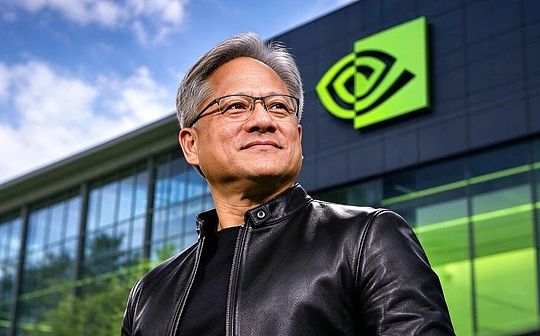
Jensen Huang stated that this all-hands meeting was the "toughest company meeting" he has experienced, and that NVIDIA does not need to designate successors in the usual corporate manner, with a key reason being that pre-selecting a successor may unfairly favor certain executives.
Machine translated. Refer to the original for accuracy.
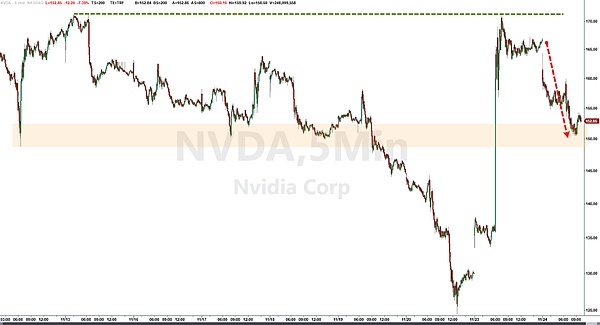
Author: Li Dan, Wall Street News In the first all-hands meeting held after his return, NVIDIA CEO Jensen Huang publicly apologized to employees, acknowledging a violation of the company's code of conduct, and revealed that he receives an hour and a half of therapy each day. In response to external doubts about the company's leadership succession plan, he still refused traditional succession plans and defended the founder-centric management model that he leads. According to Bloomberg, citing informed sources, Huang apologized to employees during the all-hands meeting on Tuesday, November 24, Eastern Time, admitting that his behavior had disappointed employees. At the start of the meeting, he also specifically thanked Chief Financial Officer Colette Kress for overseeing the company during his nearly two-week absence. Wired reported, based on the reviewed speech content, that Huang stated this all-hands meeting was the "most difficult company meeting" he has experienced, and revealed he receives "an hour and a half of therapy every day," which has "helped me a lot." He also stated, "I have made some very serious personal mistakes that have hurt my family and hurt my wife." The Financial Times reported that Huang also committed during the meeting to be more willing to listen to feedback. However, his statements regarding the company's management structure and succession plan have refocused attention on NVIDIA's heavy reliance on this founder. Emphasizing that violating the code of conduct does not mean immediate dismissal Huang acknowledged during the meeting that he violated NVIDIA's code of conduct and expressed gratitude for being given a second chance to continue leading the company he co-founded nearly 30 years ago. He also discussed the enforcement of the code of conduct, noting that a significant portion of the rules were personally set by him, aimed at creating a safe and mutually respectful working environment for employees. He emphasized that the company would not tolerate violations of the code of conduct, but this does not mean that employees will be dismissed immediately upon violation. Wired cited his speech stating that Huang mentioned that when handling violations, it is necessary to consider "facts, specific circumstances, and multifaceted evaluations." This statement also directed external attention to the enforcement of NVIDIA's internal code of conduct and whether the management team is subject to the same strict constraints. Huang defends founder-centric management According to CNBC, Huang mentioned during the all-hands meeting that NVIDIA does not require a traditional succession plan typical of other companies. He believes that the company has established a strong enough team, and its unique business model means it does not need to plan leadership succession in the conventional way. The Financial Times reported that Huang reiterated during the all-hands meeting that he does not agree with the traditional notion of a successor plan. He defended NVIDIA's flat, founder-centric management structure, arguing that the company does not need to designate a successor in the usual corporate way. One of Huang's key reasons is that pre-determining a successor could unfairly favor certain executives. The management model he advocates also means that the company's senior management operates not based on traditional multi-level management structures but is directly managed by him overseeing many executives. However, this model also exposes NVIDIA to key person risk. Within 11 days of Huang's departure, the company's market value lost over $1 trillion; after his return, the stock surged over 30% on Monday, adding nearly $1 trillion in market value in one day, nearly recovering lost ground, but NVIDIA's stock fell 5.86% on Tuesday. The dramatic fluctuations in stock price highlight investors' high dependency on his personal leadership. Family members in key positions still raise succession concerns The FT noted that Huang's children and son-in-law hold senior positions at NVIDIA, and he has not ruled out the possibility of family members succeeding him. This makes the succession issue not only relate to whether the company needs a formal succession plan but also involves the role of family members in the company's management. Outsiders believe that NVIDIA needs to address leadership succession and governance issues more clearly. Former NVIDIA executive Jeff Herbst previously suggested that the company should enhance board governance and more formally develop potential successors. Bernstein analyst Stacy Rasgon also pointed out that investors have always been aware of NVIDIA's "key person risk," but chose to ignore it previously. Huang's rejection of traditional successor plans stands in stark contrast to these external suggestions. For a company with a market value of trillions of dollars, which occupies a central position in the global AI industry chain, how to reduce reliance on a single leader remains a challenge that the board and investors must face. However, this viewpoint contrasts with external concerns about Nvidia's governance structure. Jensen Huang's abrupt resignation and quick return highlight the company’s high dependence on its founder, prompting investors to reassess the risks posed by key individuals. Jeff Herbst, a former Nvidia executive and current managing partner at GFT Ventures, believes the company should use this opportunity to strengthen governance, succession planning, and overall management. He suggests that Nvidia should bring in more board members with large corporate management experience and formally develop potential successors for Huang. Bernstein analyst Stacy Rasgon also noted that investors have been aware of Nvidia's "key man risk" but chose to ignore it. He believes that both Huang and the board need to address succession planning and provide clear communication to investors. Just one day after his reinstatement, an all-hands meeting was held, indicating that employee trust still needs to be rebuilt. On November 12, the board had accepted Huang's resignation citing personal conduct and insufficient disclosure. However, just 11 days later, Nvidia's board unanimously decided to restore him to his roles as president, CEO, and director. Huang resumed his position on Monday, November 23. After returning, Huang re-entered the company headquarters as CEO on the 23rd, promising employees that he would do better in his second term as CEO. However, a previous report by Wired indicated that Nvidia employees have mixed feelings about his return: some welcomed him warmly, while others remain concerned about his personal conduct and the board's swift change in decision. The Nvidia board previously stated that an independent investigation into the relevant events would continue. Whether Huang's apology, acknowledgment of violating the code of conduct, and commitment to improvement can restore employee trust, and whether the company can implement internal behavior standards consistently, remains to be seen.
Details compiled from public sources. Always do your own research.