
Tariffs Make a Comeback: This Timing Is Too Deadly
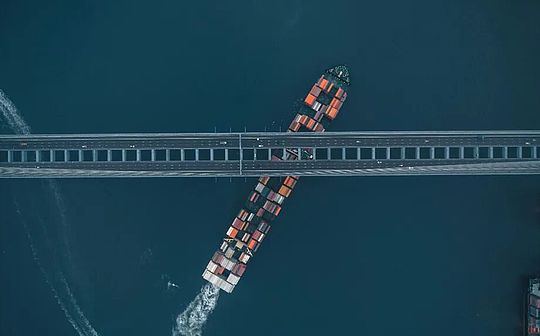
New tariffs target 14 countries, raising the probability of a Fed rate hike in December to 92%, putting pressure on AI financing costs.
Machine translated. Refer to the original for accuracy.
New tariffs may further increase the pressure on the Federal Reserve to raise interest rates in its fight against inflation. By Emily Russell Edited by Wang Mei With tariffs making a significant comeback, the already jittery market—stressed by a tech stock sell-off and almost certain interest rate hikes—has been hit again. On Wednesday, the Office of the United States Trade Representative (USTR) announced plans to impose new tariffs on 14 countries that it believes maintain excess production capacity, thus "burdening or restricting U.S. commercial activities." These tariffs target some of America's closest trading partners, including all 27 European Union member states, South Korea, Japan, and China. When announcing the proposed tariffs, U.S. Trade Representative Jamieson Greer stated that the move would "create a fair competitive environment for American workers." This new set of tariffs is intended to replace the old tariffs that were struck down by the Supreme Court in February this year. At that time, the court ruled that implementing a one-size-fits-all tariff under the International Emergency Economic Powers Act was unconstitutional. This time, the Trump administration is designing tariff measures around Section 301 of the Trade Act of 1974. This provision allows the USTR to conduct investigations and impose retaliatory tariffs on countries found to be discriminatory or burdensome to the U.S. The countries targeted in Wednesday's proposal have been under USTR investigation since March. The tariffs will apply to a variety of manufactured goods, ranging from electronics to fiber optics to textiles, but many products like steel and aluminum are exempt as they are already subject to other tariffs. It's important to emphasize that these tariffs will not be stacked on top of any existing tariffs. For example, the U.S. has reached an agreement with China that tariffs on most Chinese goods will not exceed 20%—therefore, even with the new Section 301 tariffs, the effective tariff rate on China will not exceed 20% (with the exception of some sector-specific products). For the EU, this cap is 15%. Past tariffs imposed by Trump were sometimes rolled back or reduced. However, Owen Tedford, a senior research analyst at Beacon Policy Advisors, believes that this time may be different. Tedford said, "I don't expect them to retract these measures significantly. This has been one of the prioritized issues the Trump administration is looking to push again in recent months." He advised investors to "take these numbers as what will likely be the final numbers." These tariffs still need to undergo a 30-day review process, which means they will not officially take effect until the next quarter, likely in February. However, the Biden administration's renewed tough stance on trade has given already anxious investors another reason to worry today. Tariffs will increase costs for American consumers, who are already grappling with rising inflation. Research by Fed economists has found that Trump's tariffs have added nearly a full percentage point to the annual Personal Consumption Expenditures (PCE) growth rate. The PCE data released on Wednesday showed that inflation rose to 3.8% year-on-year last month, up from 3.7% in September. The new tariffs may further increase the pressure on the Fed to raise interest rates in its fight against inflation. According to the latest CME FedWatch data, observers believe there is a 92% probability that the Fed will raise rates at its next meeting on December 8-9. Tedford stated: "I don’t believe this will play a decisive role in the Fed’s rate decision, but it is undoubtedly another factor they will have to take into consideration next year." Rising interest rates will increase the cost of financing for the AI boom, particularly impacting companies that heavily rely on borrowing to fund their AI projects, such as CoreWeave and Oracle. This week, tech stocks have fallen due to a combination of events: questions regarding Nvidia's leadership and potential Congressional oversight actions or policy changes regarding the company; concerns about future AI financing and demand; and hot inflation data. Expectations of tariffs being imposed on other materials needed for semiconductors and AI construction have also added pressure. Notably, the new tariffs include exemptions for servers, smartphones, PCs, storage devices, chips, and most semiconductor manufacturing equipment; however, products like headphones, lithium-ion batteries, base stations, printers, televisions, and video game consoles are not exempt. While these tariffs may not have an immediate impact, they signal that more trouble is on the way.
Read original · 金色财经资讯Details compiled from public sources. Always do your own research.