
Jensen Huang Returns as CEO of Nvidia: 9 Key Observations
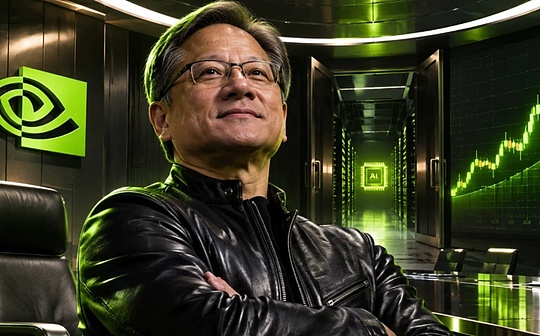
Sharing 9 core observations on Jensen Huang's return as CEO of Nvidia.
Machine translated. Refer to the original for accuracy.
Author: Anthony Pompliano, Founder and CEO of Pomp Investments; Translator: Shaw, Jinse Finance The turn of events was highly dramatic as Jensen Huang returned to the role of CEO at Nvidia yesterday. Major media outlets globally are repeating this news, so this morning I will only share my core observations. First, Huang has now solidified his place among the "Mount Rushmore" of tech founders. No one can pull off such a return at a company founded thirty years ago and drive a $3 trillion surge in U.S. stock market value in just a few minutes. The live trading surge felt surreal as the news spread; however, considering Huang is widely regarded as the godfather of the AI industry, this outcome may not be surprising. Second, this event clearly highlights that shareholder voices are typically heard. The board's mismanagement and excessive interference in company affairs led to a severe sell-off in Nvidia's stock, indicating that shareholders did not support the board's decision to force Huang's resignation. After his return, the stock soared over 30%, clearly signaling that shareholders want Huang at the helm of the company. Third, Huang should immediately replace all board members. These directors attempted to oust him from the company he founded, risking tens of trillions in shareholder value, and he cannot work with this group. These directors have revealed their true positions, and now they themselves are a risk to Nvidia. Regardless of good or bad, board members should be loyal to the company and all shareholders, not a group swayed by public opinion. Fourth, the AI trading market is about to see a second wave of increases. Recent market corrections have given everyone a breather, but demand for computing power still outstrips supply, and the market will continue to rise. Fifth, reports indicate that President Trump and the White House intervened in this Nvidia incident, even participating in board meetings advocating for Huang's reinstatement. We already know the White House can profoundly influence the market through investment-related decisions, but this may be the first time in history that the U.S. government has stepped in to facilitate the reinstatement of a corporate executive. In the future, we might consider Nvidia to be an enterprise indirectly controlled by the U.S. government. Sixth, Huang's return has garnered widespread cheers on the Internet. The only cautionary analogy worth mentioning is that Ken Lay, the CEO of Enron, also returned months before the company collapsed due to financial fraud. I have no reason to believe Nvidia is committing fraud; I lean toward the idea that the U.S. government promised Nvidia's board that the company would not be prosecuted, so this merely serves as an obscure cautionary tale without constituting a substantial risk judgment. Seventh, mainstream media has completely lost its power. Over the past few weeks, numerous outlets have published articles attacking Huang's management style and claiming that his extramarital partner, Alice Huang, is a spy, but none of these accusations had any impact. The founder of the world's highest-valued company should naturally reclaim his commercial empire. Such smear articles from mainstream media have become unimportant. Eighth, the U.S. and Nvidia should hurry to supply Nvidia chips to the Chinese market in large quantities. If they do not, Chinese companies will develop their own chips, potentially creating more powerful technologies in the long run. If Chinese chips surpass U.S. chips, it will be a nightmare for the U.S. government. Therefore, a better strategy for the U.S. is to keep China reliant on Nvidia's existing chips. This is a complex game that has been ongoing for years; I believe that China's achievement of chip independence is a significant risk that the U.S. must bear. Ninth, it is clear that America’s closed-source AI labs do not wish to foster the development of open-source AI technologies. This is precisely the primary reason that other parties should advocate for the proliferation of open-source AI. Based on this judgment, Huang and Nvidia should invest billions of dollars into developing open-source AI technologies domestically in the U.S., launching a strong assault against closed-source AI labs. We cannot confirm whether labs like Anthropic were involved in any actions to dismiss Huang, but he should not let his guard down against competitors. Make open-source technology mainstream and make survival difficult for these large closed-source labs.
Read original · 金色财经资讯Details compiled from public sources. Always do your own research.