
Will AI Agents Kill Middlemen?
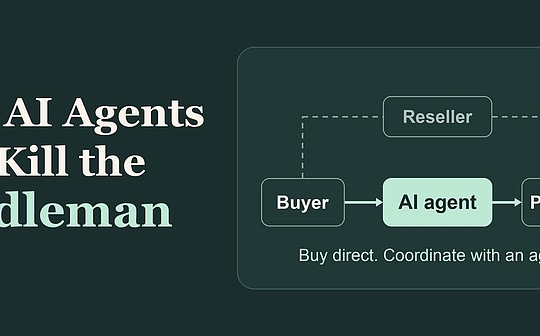
The space for AI resellers to profit from "selling convenience" is being squeezed from both sides as upstream providers open direct connections and buyers' agents manage integration themselves.
Machine translated. Refer to the original for accuracy.
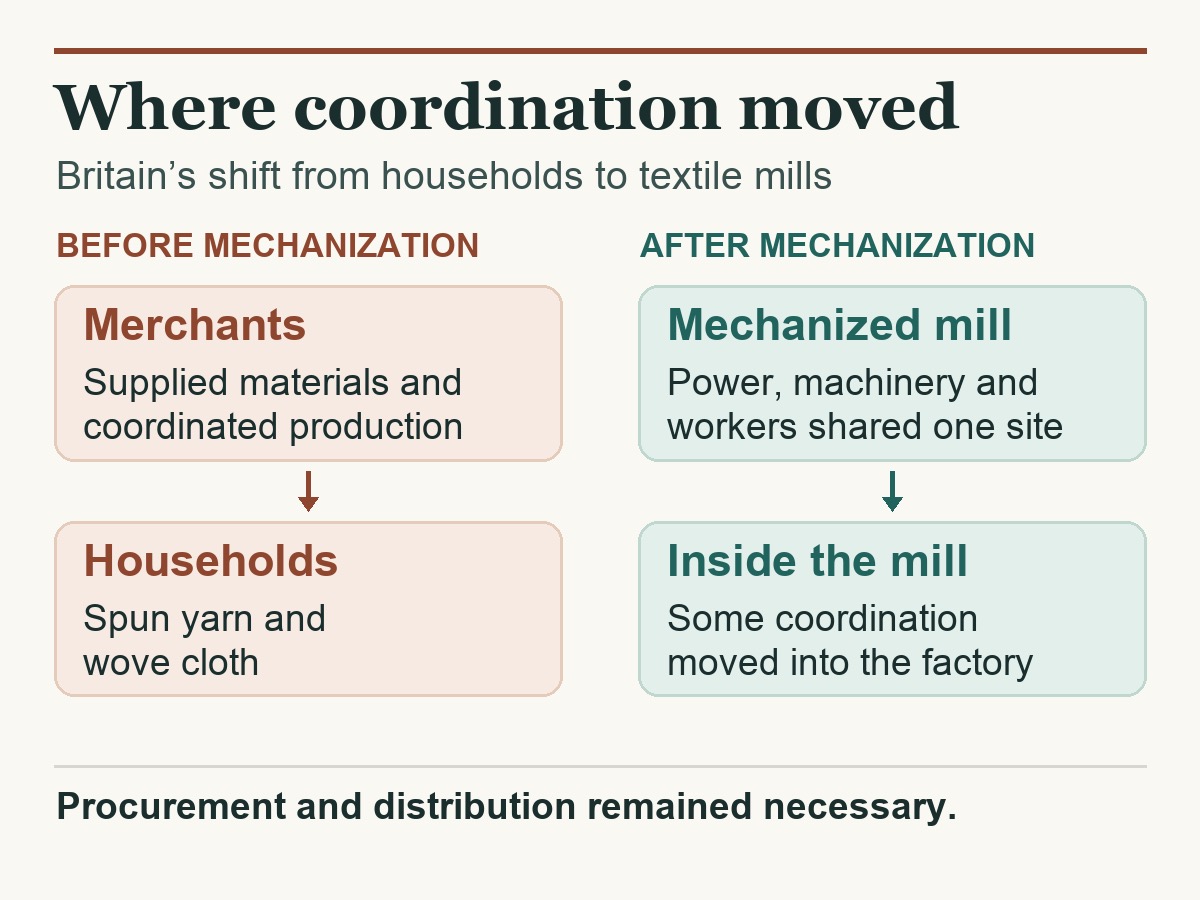
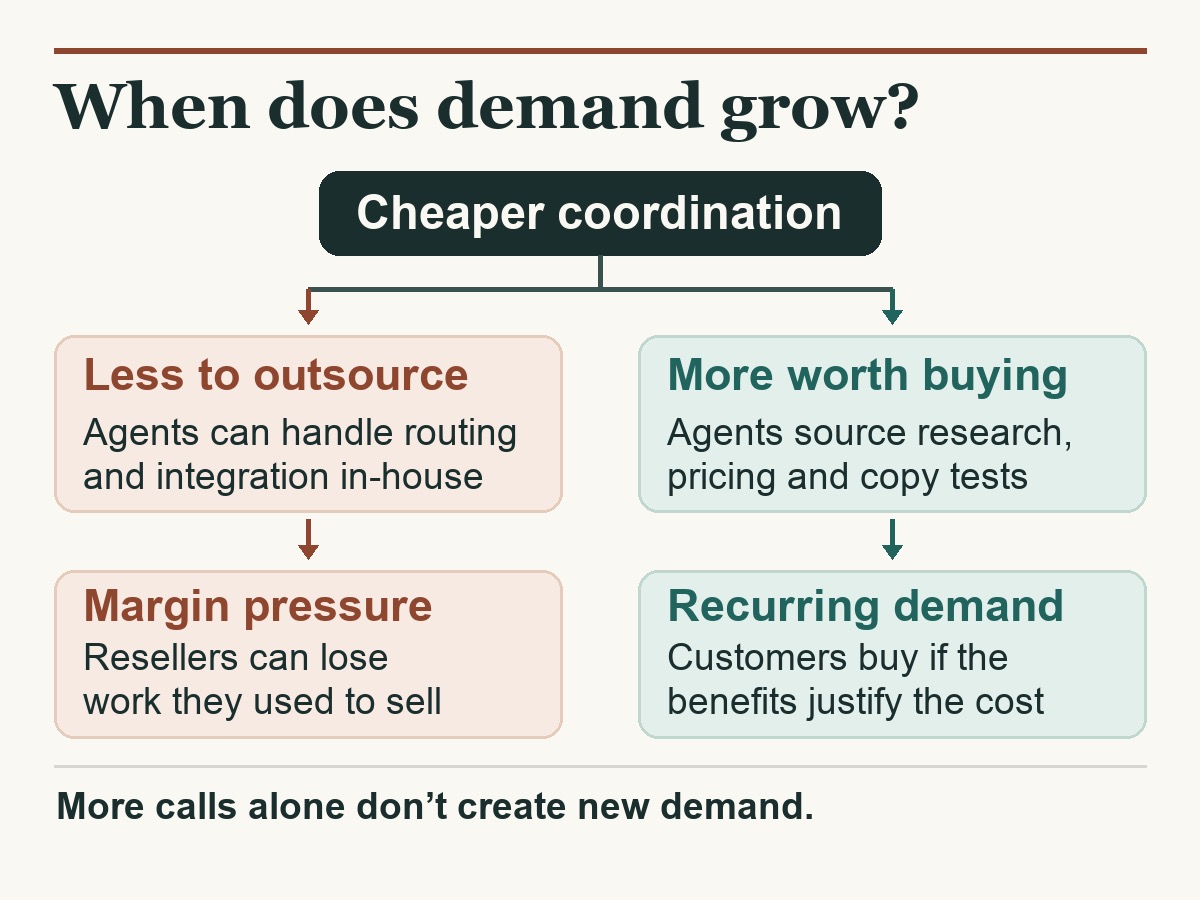
Author: Air.N Source: X, @AirN_619 Translation: Shan Ouba, Golden Finance Direct access and cheaper coordination may squeeze AI resellers while making new services worthwhile to purchase. Suppose you pay an AI reseller because it's cumbersome to buy models from three different suppliers and then connect their APIs. If these suppliers make direct purchasing easier and your agent can handle the integration, why would you still pay the reseller? This is where I find the suggestion of "selling shovels" confusing. Some resellers make money precisely because purchasing and connecting AI tools is hard. Even if the reseller's workload decreases, the market for these tools can continue to grow. How resellers are squeezed First, let's look at access. When models or social media APIs are hard to buy directly, aggregators can charge for "convenience". If upstream providers open direct access, customers can bypass aggregators. This change is largely beyond the control of resellers. Then there's the work of getting these services to operate in unison. If a buyer's agent can compare prices, connect APIs, route requests, and maintain integration, the buyer can reclaim this work internally. Even with the remaining customers, after they can do more themselves, they may pay less. Chip and compute power still have to come from somewhere, and much of what software does isn't just subcontracting other companies' APIs. The businesses I’m interested in mainly charge for access and coordination. What the factories changed In the UK's putting-out system, merchants provided raw materials to home spinners and weavers, arranged subsequent processing, and then sold the cloth. Coordinating production among these homes was a tangible job. Hydraulic factories like Arkwright's centralized machinery, power, and workers under one roof. Factories still need raw materials and distribution, but part of the coordination work done by merchants across families now happens internally in the factory. The textile industry grew, yet the position of merchants did not strengthen. Factories centralized production; agents can coordinate still dispersed work. The usefulness of this analogy is that who does the coordination work and who can charge for it has changed. What becomes worthwhile to buy A small business might wish for someone to track overseas competitors, adjust prices, and test copy across its entire product catalog. Hiring a team to continuously do these tasks might cost more than the value of the work itself, so no one does them. Suppose the merchant’s agent can purchase competitive research, pricing analysis, and copy testing from other agents within budget. If the results are worth the price, the merchant has a reason to start paying for it and making repeat purchases. This is what I care about – the agent-to-agent opportunity. A thousand API calls can be channeled into something the merchant is already doing. When merchants start buying services they previously didn’t engage in at all, new demand arises. For merchants, the threshold is whether a continuous service can create enough value to justify payment for it. The use of AI may rise, while reseller margins may decline. Who gets the next order An API reseller may have many clients who just want to purchase APIs more conveniently. But these accounts do not tell you which customers will pay for ongoing services like competitive research or whether they will purchase through the same platform. I focus on where developers are already building and collaborating, including GitHub, as well as startups that develop tools for agent builders. The threshold is whether builders continuously use these platforms to get their work done, and whether buyers will return to pay.
Details compiled from public sources. Always do your own research.